
Hampden Watch turned workshop booking deposits off for eight weeks to find out what they were worth
Conversion ran 30 to 40% higher with deposits in place. Here's what Hampden learned about selling a $2,100 booking months before anyone shows up.

We've had a quite a few people reach out to us saying, "I'm so glad that all of this isn't due right now."
— Daniel Wein, Brand Director, Hampden Watch
Making a day at the watchmaker's bench attainable
In December 2025, the luxury watchmaker Hampden opened its Chicago headquarters to guests who wanted to build a timepiece themselves. The resulting workshop has become one of the fastest-growing parts of the business.
Guests book ahead on the same Shopify store that powers Hampden's watch sales. Shopify has no native deposit option, so Hampden collects deposits and balance payments for the workshops with the partial payment app they were using for preorders: Downpay
A few months in, brand director Daniel Wein wanted to know what that flexible payment option was actually worth. In February 2026 he switched deposits off and let seats sell with 100% upfront for two months.
Most merchants don't get to see the counterfactual, the "what if." Hampden did.
Hampden Watch's story
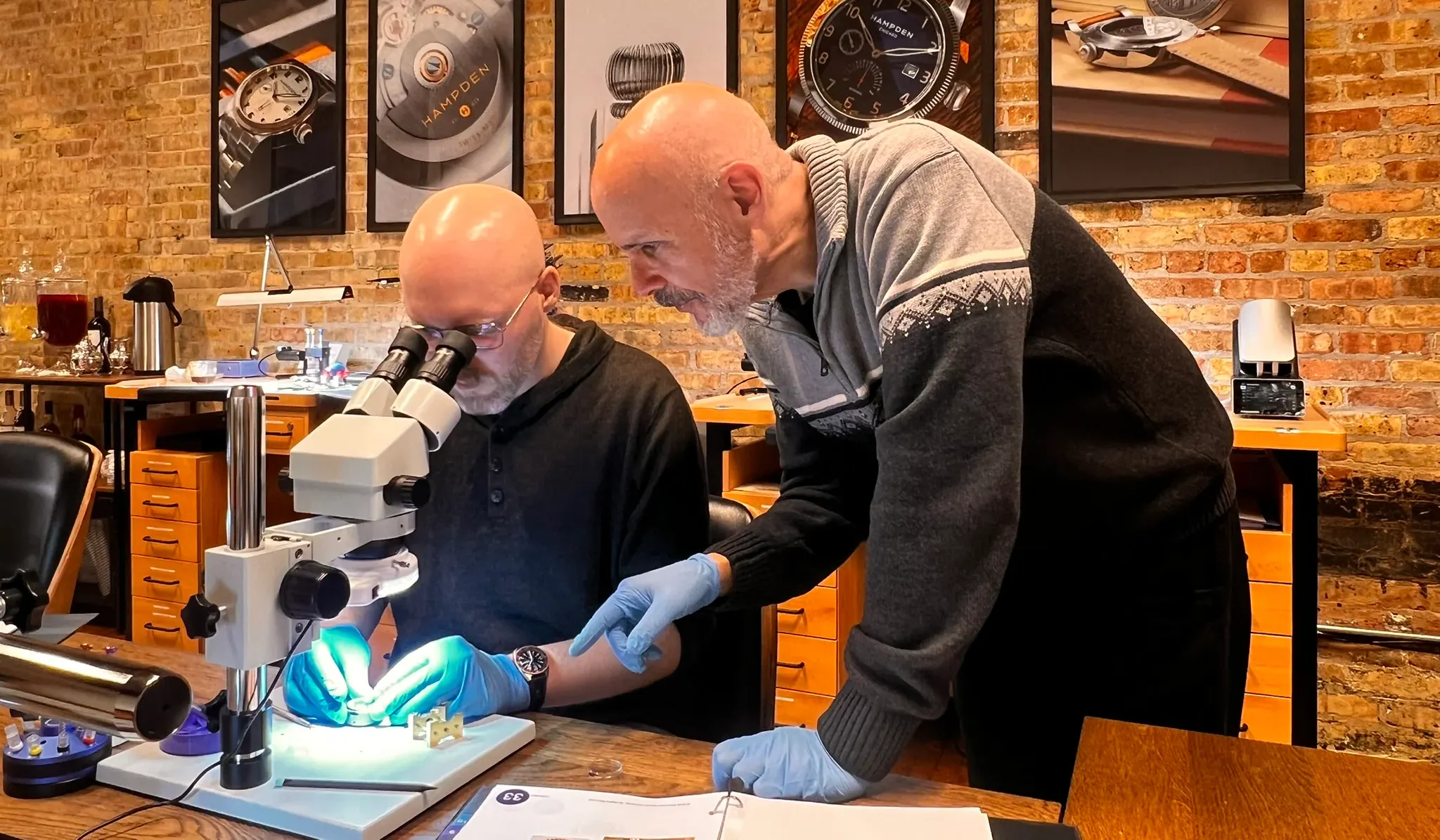
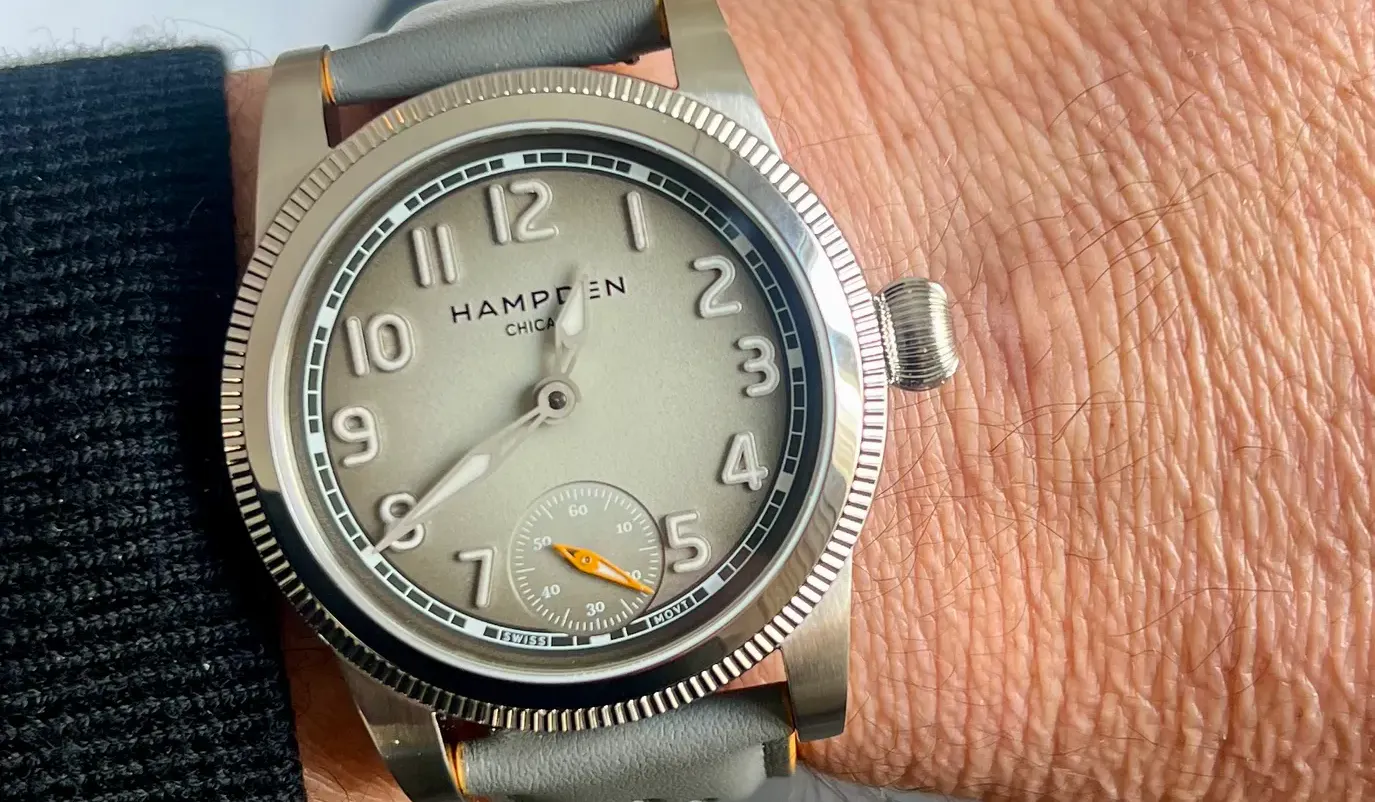
Hampden Watch is America's oldest family-owned watch company. The Hampden name has been on American watches since 1877. Hyman Wein began building watches in Chicago in 1922, the family acquired the Hampden name in 1958, and four generations later Daniel Wein works alongside his father Joe, the CEO.
The workshop, called First Hand, is a recent addition. Six guests spend the day disassembling a Swiss mechanical movement, rebuilding it, and adjusting it until everything meets specifications. Then they leave wearing the watch they built, with their initials engraved on it. The watch magazine Hodinkee has called it one of the best watch classes in America.
The workshop is where people understand what we do. You spend a day at the bench, inside our Chicago headquarters, and you leave wearing something you built. That's a different relationship with a watch than just buying one.
— Daniel Wein, Brand Director, Hampden Watch
Payment plan requirements
Sessions are capped at six guests and most people book two to three months out. The workshop is a luxury product, but the people drawn to it don't necessarily find spending $2,100 at once incidental. They can hesitate and abandon their carts, or back out.
The traditional approach to enabling payment flexibility while securing bookings is deposits. But collecting partial payment at checkout and the rest before the event isn't available out of the box on Shopify.
This set the requirements for a partial payments app:
- A way to secure commitment without full upfront payment, so the decision to commit didn't hinge on what was in someone's account that week
- The balance collected automatically before the class, so guests arrived owing nothing
- All of it inside Shopify checkout, ensuring third-party branding and redirects didn't cause friction.
- No discounting, because reaching more people by cheapening the experience would defeat the purpose
People plan for this. They're choosing it months ahead, often for an anniversary or a birthday, and giving them a way to plan the payment the same way they plan the trip just makes sense.
— Daniel Wein, Brand Director, Hampden Watch
How the deposit plan works
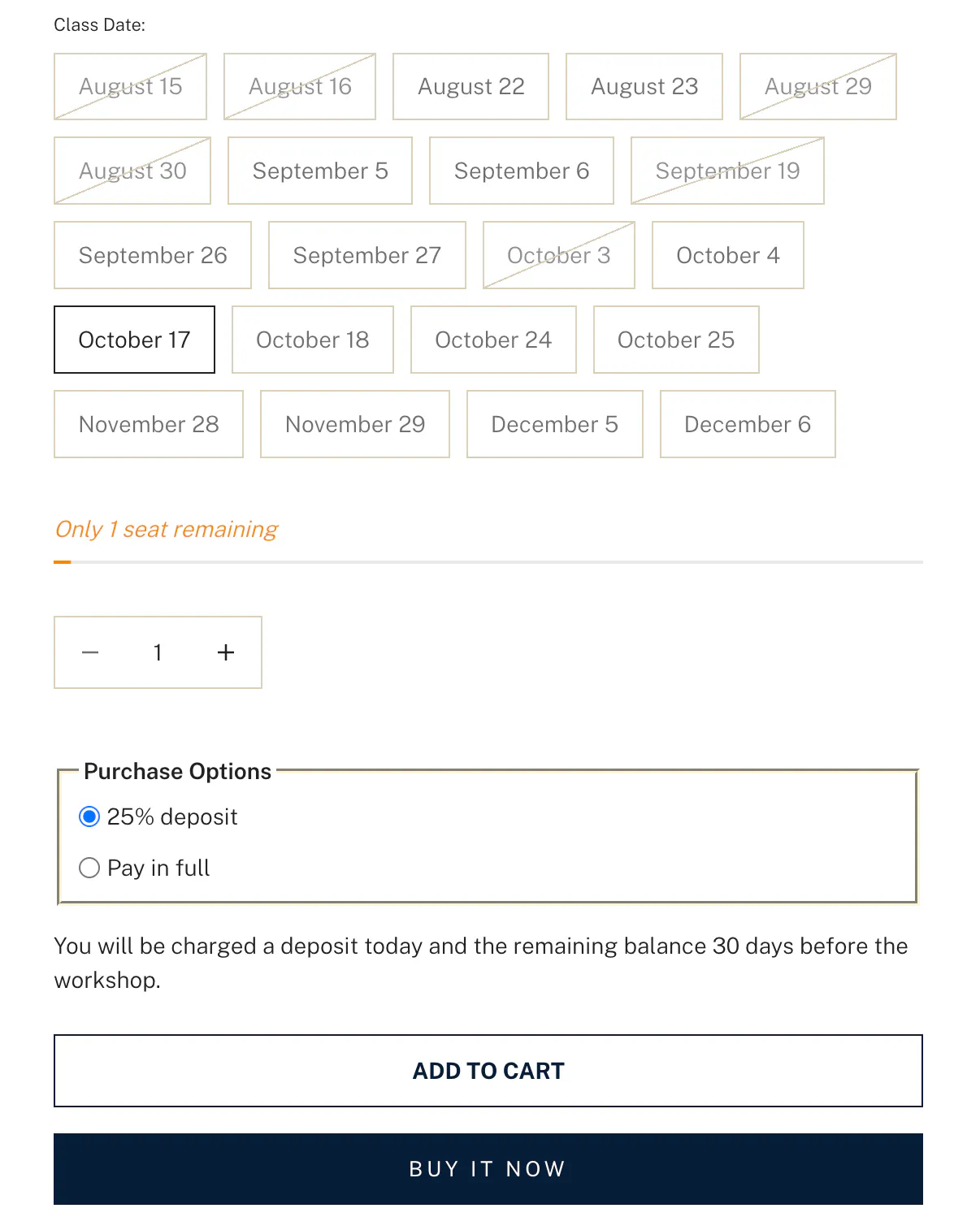
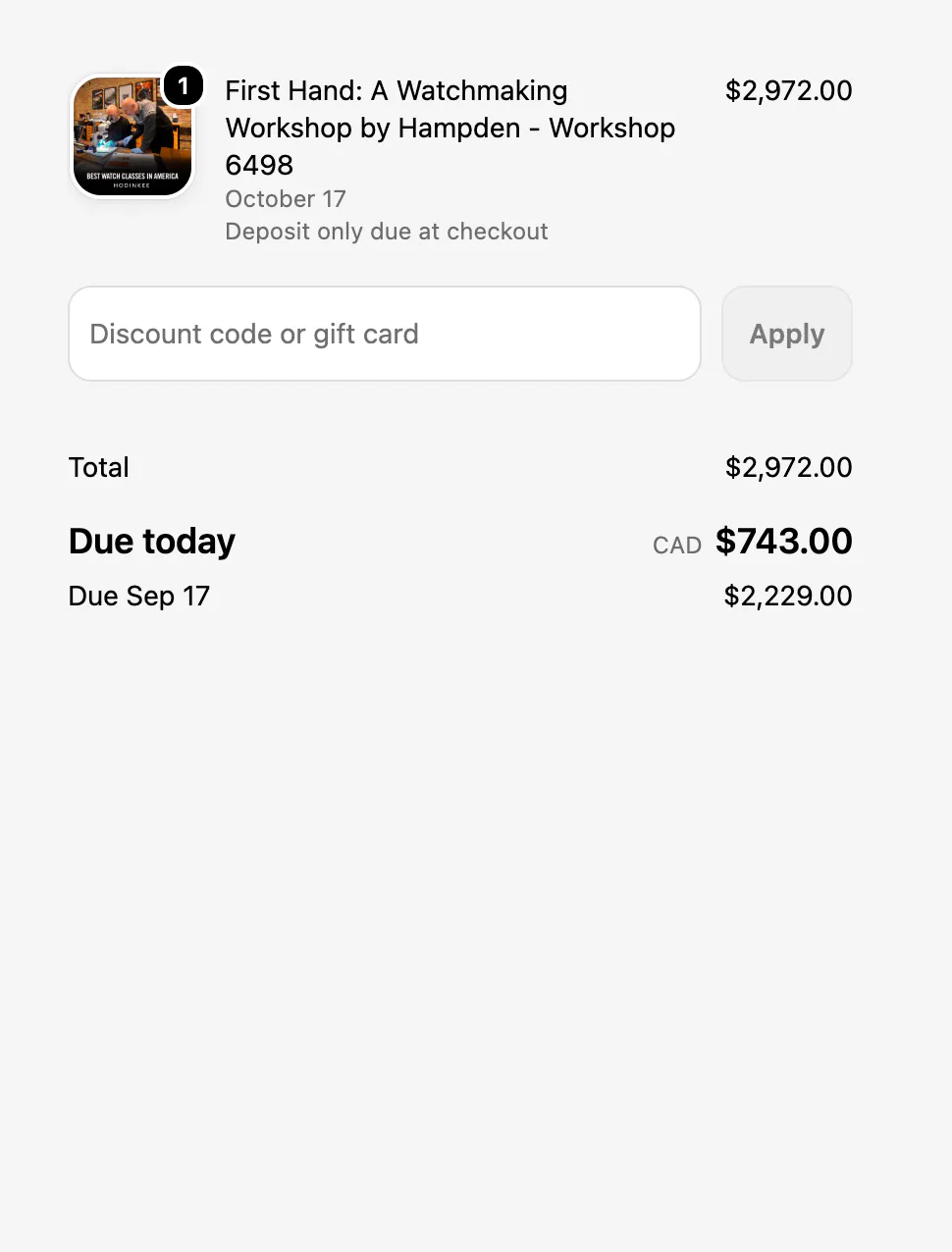
Daniel was able to build an automated deposit flow for the workshops using Downpay by himself. Guests booking First Hand:
- Choose a class date on the product page and see what they owe today and later
- Pay a 25% deposit inside Shopify Checkout
- Have the balance charged to the card on file 30 days before the class
- Arrive with nothing left to settle
Check out the interactive demo to try the Downpay experience yourself.
Why Downpay was the right fit
- One order, not two transactions: The deposit and the balance stay attached to a single Shopify order, which keeps the customer record and the accounting clean.
- Collection tied to the date: Using Downpay Shopify Flow triggers and actions, Daniel set the charge to fire 30 days ahead, so nobody chases anyone for money.
- A flat monthly fee: Downpay bills on a tiered subscription model rather than a share of each order, which matters when Buy Now, Pay Later takes 5-10% of a four-figure sale straight out of margin.
Testing eight weeks without deposits
In February 2026, Daniel conducted an experiment and turned the deposit option off. Seats stayed at the same price. Guests now owed the whole amount at checkout. He turned deposits back on in April.
The result was unquestionable:
Conversion was 30 to 40% higher for people who were willing to put 25% down and have the rest auto-collect.

Comparing with Buy Now, Pay Later
In a further test, Daniel made a Buy Now, Pay Later option available at checkout, but guests have avoided it.
The same pattern shows up across other high-value Downpay merchants. People careful enough to plan for a purchase this size are usually the last people willing to borrow for it. A deposit lets them commit and spread the cost with no lender in the middle.
I haven’t noticed a single person use BNPL. People see that as credit, and seem to be really apprehensive about using it.
— Daniel Wein, Brand Director, Hampden Watch

The takeaway
Over two months, Hampden found out what full payment at checkout costs them: guests who could afford the experience on flexible terms and didn't book. Splitting the payment brings them back without discounting the product, handing margin to a lender, or asking anyone to take on debt for a day at the bench.
Luxury doesn't have to mean paid in full today.
Read more success stories and see how Downpay helps Shopify merchants sell experiences, preorders, and made-to-order products. Try the interactive demo or book a demo.